Why Play-Based Learning Matters in the Early Years
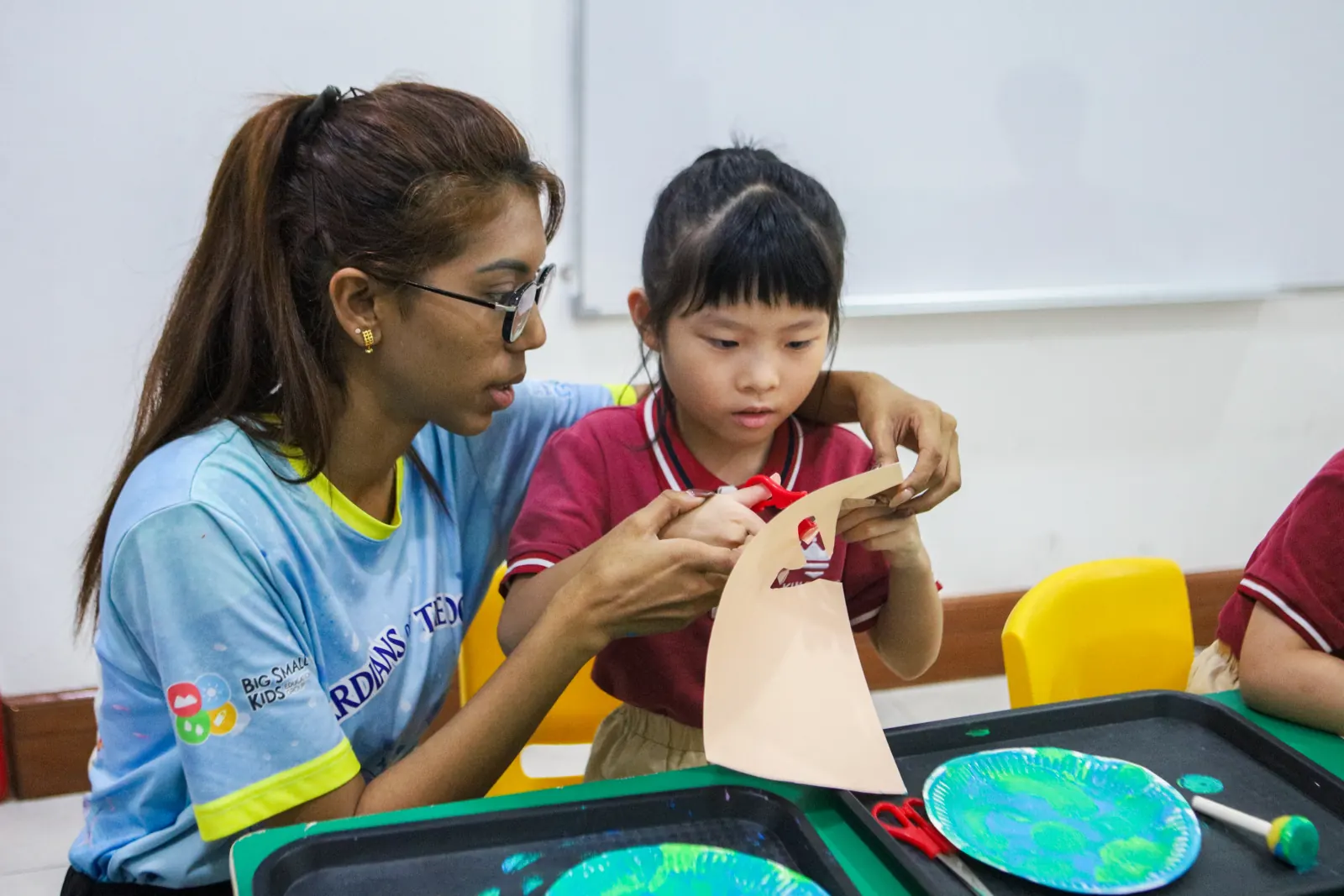
Play looks like fun — and it is. But for a child between 1 and 6, play is also the most powerful kind of learning we know.
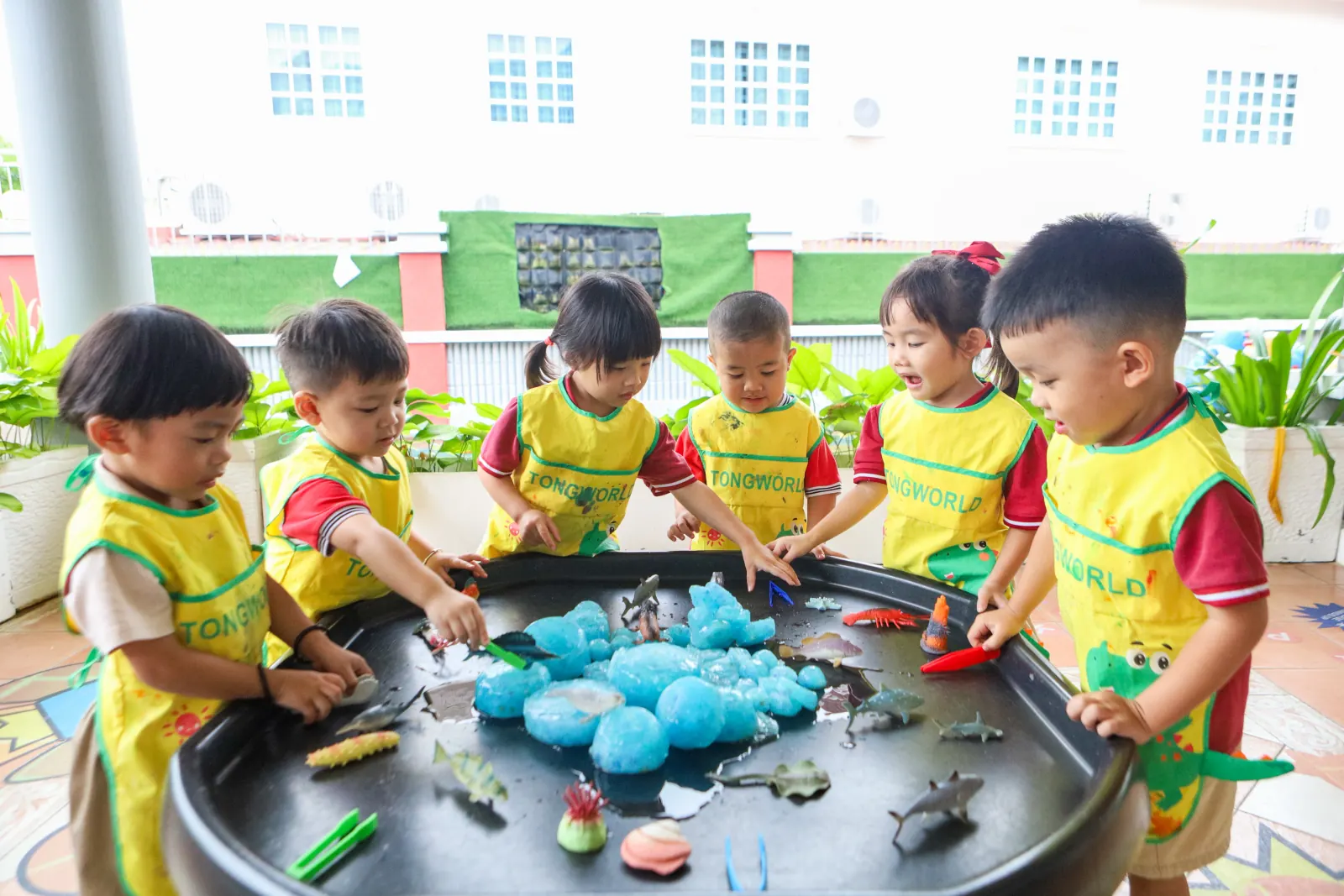
The science Research consistently shows that children who learn through guided play develop stronger language, problem-solving, and social skills than peers in worksheet-heavy classrooms. Play activates multiple parts of the brain at once.
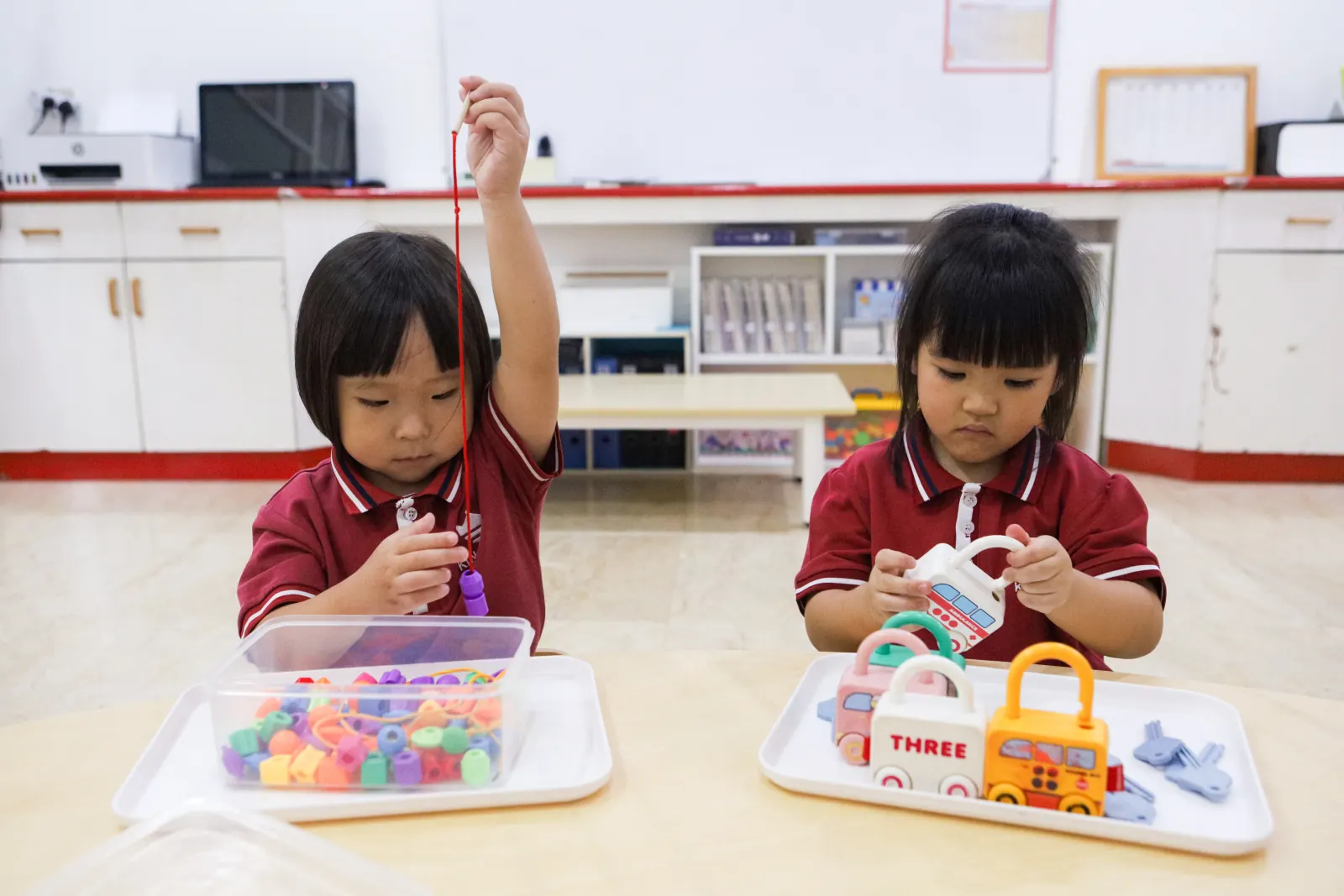
Play vs. "playing around" There's a difference between unstructured chaos and intentional play. At Kingsbee, every play activity has a quiet learning goal — a sorting game teaches early maths; pretend cooking builds language and sequencing.
What this means at home You don't need fancy toys. A cardboard box, some kitchen tongs, and a willing parent can teach as much as any app. The key is being present, asking open questions, and resisting the urge to "correct" the play.
Trust the process. A child who is deeply absorbed in play is doing the most important work of their early years.