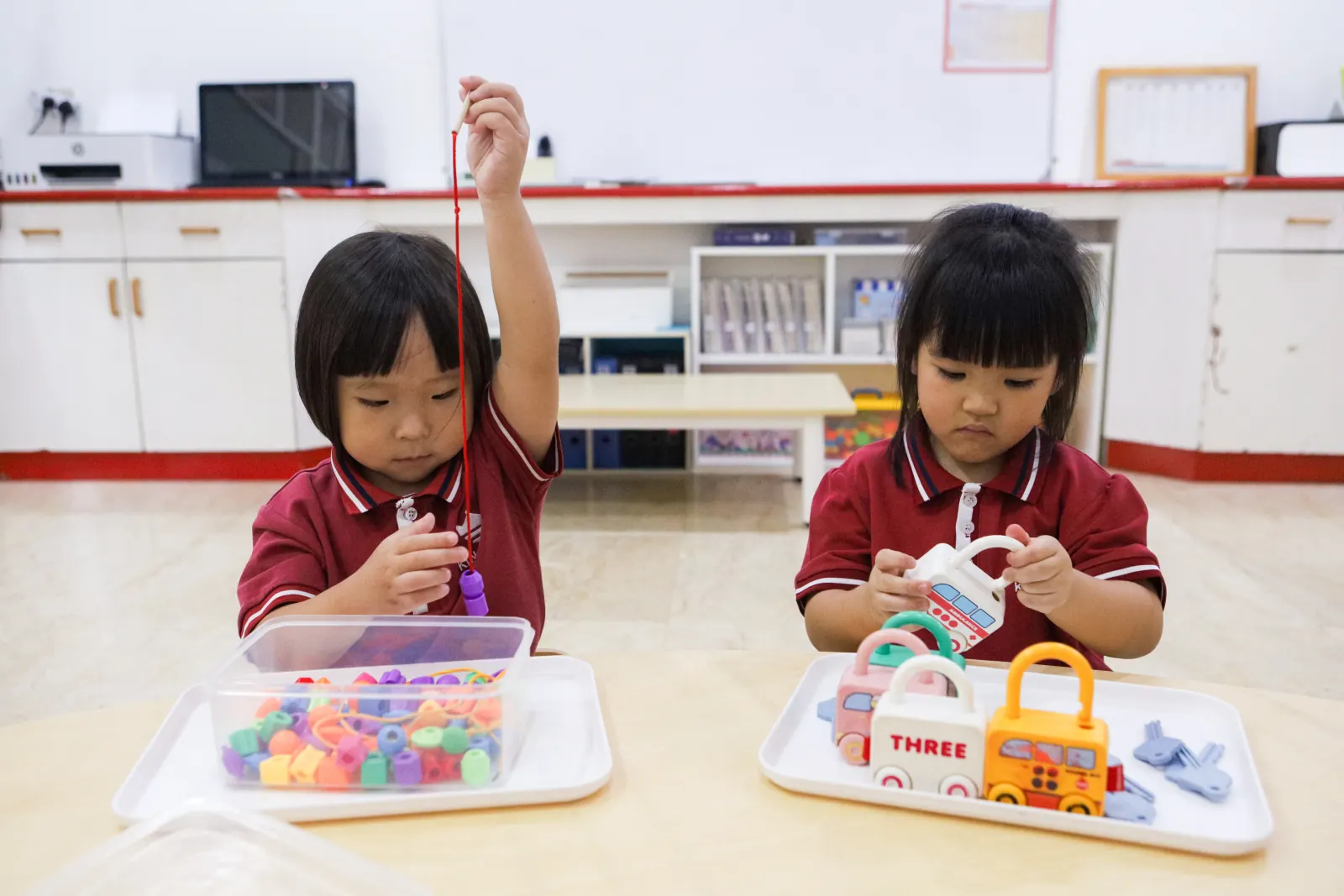
Tantrums Aren't Bad Behaviour — What They Really Mean
Every parent of a two-year-old has been there: a supermarket aisle, an arched back, a scream that bends time. The instinct is to feel embarrassed, ashamed, or angry. But here's the truth — a tantrum is not bad behaviour.
It's neurological, not strategic. Toddlers don't "choose" tantrums to manipulate you. Their prefrontal cortex — the brain region that handles regulation — is barely online until age four. A tantrum is a brain overloaded, full stop.
Common triggers. Hunger, tiredness, transition (leaving the park is harder than going to it), too much choice, too little choice, sensory overload. Often it's two or three at once.
What helps in the moment. Stay close, stay calm, and stay quiet. Don't lecture, reason or threaten — your child can't hear words right now. Sometimes you just sit on the floor and wait. That's enough.
Name the feeling afterwards. When the storm passes, sit together and put words to it. "That was hard. You were really sad we had to leave." Children who hear their feelings named build emotional vocabulary that lasts a lifetime.
Don't punish the meltdown. Punishing a tantrum is like punishing a sneeze. You can teach behaviour later — when the brain is calm and capable of learning.
The good news. Tantrums peak between 18 months and three years, and they almost always shrink by age five — especially in homes where they're met with patience instead of force.
Your child isn't giving you a hard time. They're having one.